Puddings, pies and wine! The perfect combination at Bakehouse on Collins

What do you get when you add an array of renowned South Australian wines to puddings and pies? Answer: the best bakery in South Australia. Readers will be pleased to know I have diligently done my research and performed a comprehensive taste test!

This is a blog I have SO been looking forward to writing – Peter the proprietor and baker at Bakehouse on Collins Parade in Hackham, south of Adelaide, visited me at the Pirramimma cellar door in McLaren Vale recently and told me he was trying our fortified wines to decide which one to put in his Christmas puddings – he decided on the 12-year-old Pirramimma Liqueur Port from McLaren Vale in which he soaks the sultanas, currants, raisins and cherries for weeks, even months. For the best product he wanted a decent port and stated proudly:

“If you wouldn’t drink it why would you put it in your food?”

Peter exudes passion for quality cooking and demanding the best ingredients, all sourced from South Australian producers. His philosophy is to “use good quality ingredients in your product because it makes it taste so much better”.

Peter and his wife Agnieszka and pretty little daughter Isabelle welcomed me into their bright shop and my eyes were immediately drawn to the range of fresh cakes, pastries, pies, pasties, sausage rolls, puddings and bread products, all of which were beautifully presented behind a glass screen. All of the products are baked fresh in store. Looking around the back, it was all so clean and tidy and organised, it is hard to believe just how busy this business is. Peter had been working since 10pm the previous evening and it was now 9am and he still had more deliveries to do before he could knock off for the day.

On the wall were a number of ribbons and certificates (pictured) representing a fraction of the 22 awards they have won in the last two years at the Royal Adelaide Show. Having only been operating for two years on 1 December 2010, this is an incredible record. Seven of the awards are top three placings.

I was further astounded by the appearance of a huge gold trophy presented for the 2009 Laucke Flour Prize for the Highest Mark in Savoury Pastries.

From the wide range of pies and pasties, breads and cakes I was concentrating on the wine-infused products! For example, see the pie descriptions:

Peter’s meat pies:

  • K1 Silver Shiraz Kangaroo Pie – kangaroo pieces marinated in K1 Silver Shiraz then slowly cooked with onion, celery, carrot and garlic
  • K1 Silver Shiraz Lamb & Rosemary Pie – tender lamb pieces, garlic and fresh rosemary marinated in K1 Silver Shiraz then cooked with chunks of potato, mushroom and onion
  • K1 Gold Label Savvy Chicken & Leek Pie – packed full of fresh chicken breast pieces, leek and zucchini all cooked in the Gold Label Sauvignon Blanc with just a hint of garlic
  • K1 Gold Label Savvy Chicken & Brie Pie – juicy chicken breast pieces, peas, carrots, corn, onion and garlic all cooked in the Gold Label Sauvignon Blanc and topped with a generous piece of Brie cheese

Peter uses shiraz from the K1 winery in the Adelaide Hills in his kangaroo pies and his lamb and rosemary pies, and K1 sauvignon blanc in his chicken and leek, and chicken and Brie pies. I tasted one each of these pies over the next couple of days and oh boy, I never expected to be blown away by meat pies. I could wax lyrical about every single bite. It was like tucking into a gourmet meal in a  top restaurant. I had to look again to remind myself I was eating a pie. The kangaroo pie was an intense flavour explosion of lean red meat, savoury spice and rich wine. In the chicken pie with Brie, the cheese melted down through the pie and smelled divine and perfectly accompanied the flavours and textures of the chicken breast and vegetables, onions, garlic and sauvignon blanc. Wow!

They are everything you want in a pie – fresh, lean, tender meat chunks and fresh vegetables in a rich thick sauce, encased in his handmade pastry, not too thick, and baked with a golden crust – and not a single air bubble in sight! He doesn’t just mix the wine in, he marinades the meat in the wine and you can taste the wine, the spices, the vegetables, the top quality meat.

For the mince pies and Christmas puddings he soaks the fruit for a length of time (months!) to really concentrate those flavours. I have sampled a great number of mince pies in my time – Peter’s made me groan with delight. That first smell brought back all my Christmases and I closed my eyes to focus the senses. It was unbelievably good, the rich fruit and sherry are an élite taste sensation, and the golden pastry just sweet enough, was all in perfect balance. This man is a genius!

It all becomes clear why he is so adamant in using fresh, top quality ingredients in everything he makes. Plus his prices are extremely competitive – at just $4.20 to $4.40 for the pies, six mince pies for $5.50, and $20 for the 800g Christmas puddings – once you have tried these you will be a regular. No one else’s come close.

Peter’s suppliers are all South Australian companies:

  • wine from Tinlins, K1 and Pirramimma (Adelaide Hills and McLaren Vale)
  • flour from Laucke (based in Strathalbyn)
  • meat from Collins Parade Meats next-door to the bakery
  • bakery supplies (fats for the pastry, sultanas, seasonings, etc.) from Foodmont bakery suppliers (Royal Park)

Bakehouse on Collins supplies a range of breads, bread rolls, brioche, carrot cake and more to several well-known cafés and restaurants so do try them if you are in the area:

I shall certainly be a regular customer and recommend this exceptional baker. This business deserves to continue to be a raging success.

Contact details for Bakehouse on Collins:

Proprietors Peter and Agnieszka Kendrick

Shop 5, 77 Collins Parade, Hackham, SA 5163

Phone: 08 8384 6554

Open 6am Monday to Saturday

Posted in McLaren Vale wine, New World wine, Sauvignon blanc, South Australian wine, Syrah/Shiraz | Tagged , , , , , , , , , , , | 4 Comments

White cabernet sauvignon – sampling a world first from South Australia

I first heard about Cleggett Wines from Australian television’s ABC Landline programme about two years ago when they showed Cleggett Wines of Langhorne Creek with their white, golden and bronze cabernet sauvignon. Ever since I have wanted to sample this rarity and hear the story behind it. Then I came across their name again while researching my article for Wine2030 on the University of Adelaide’s winery at Waite campus, as they make some of their wine there. At last, November 2010, I made the trip to see it for myself!

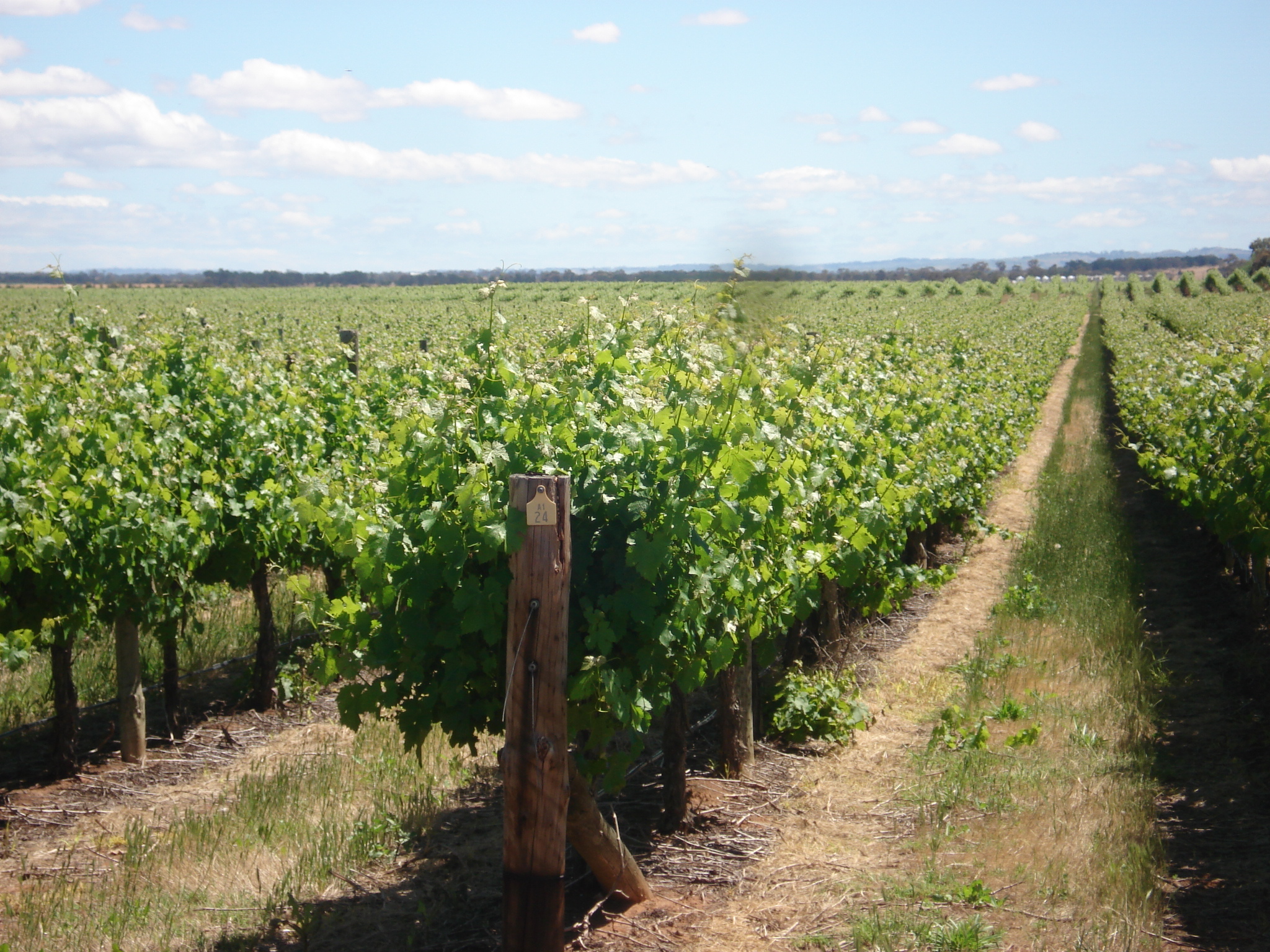
Driving down to Langhorne Creek from Adelaide on a sunny day in November, in the space of an hour the scenery and ambience notably changed. From a green lush Adelaide, the landscape took on a dried straw yellow hue, the traffic (and tailgating) subsided, and the speed limits relaxed – as did I. I drove through a sea of vines and avenues of gum trees, arriving in the small township of Langhorne Creek and immediately seeing a sign for Cleggett Wines.

Anne McLennan and Mac Cleggett

I had heard that Anne and Mac were friendly but they were so much more – welcoming, informative, generous in sharing their experience and knowledge – and their wines.

The Cleggett wine range

Coming into their cellar door – just two years old, very tastefully and simply designed, and pleasantly cool – you immediately notice the row of wines on the wall behind the counter, with cabernets covering all colours in the wine spectrum from white to golden to rosé to bronze to dark red.

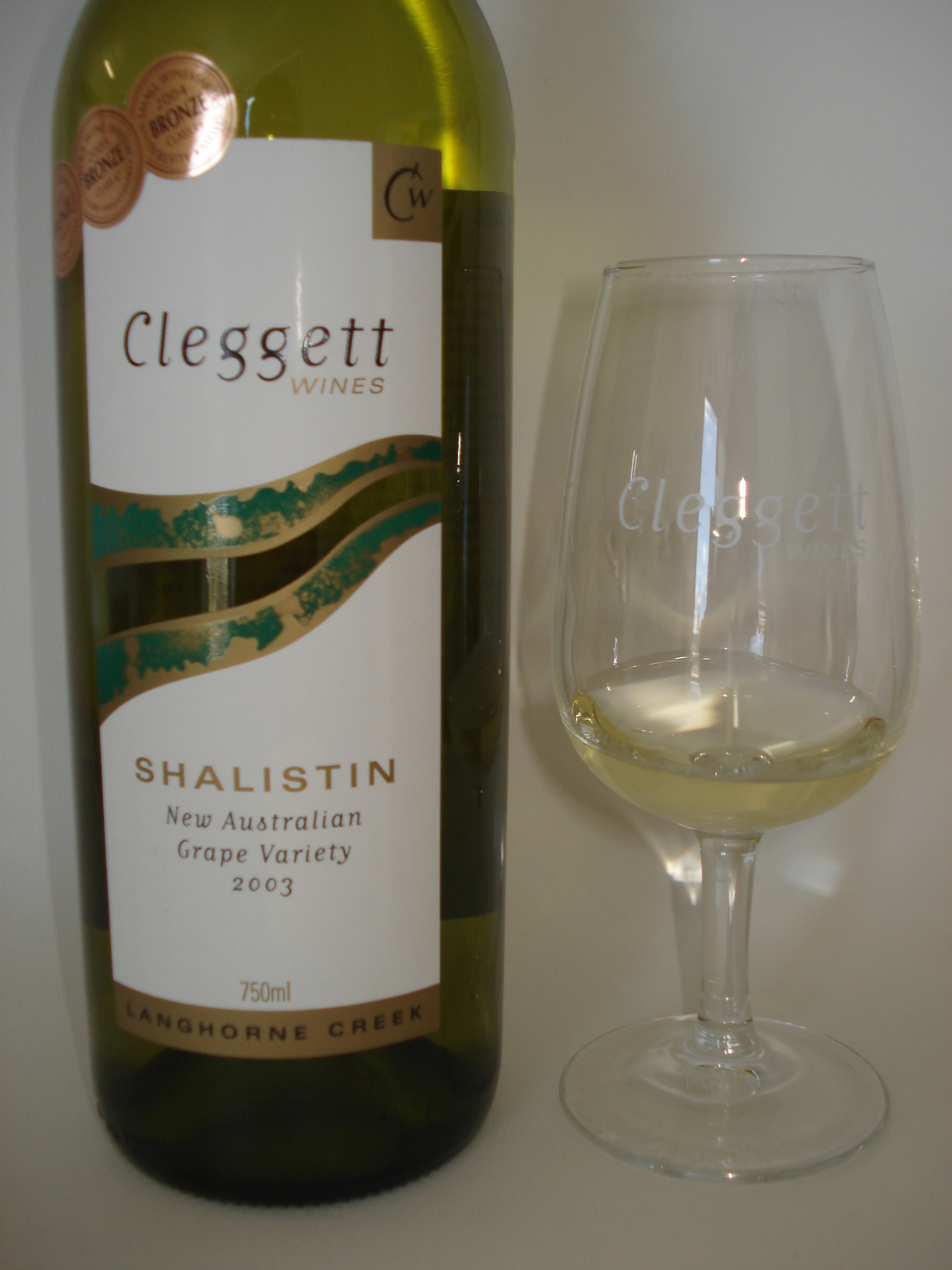
A little background – Mac Cleggett discovered the bronze cabernet in 1977 – just on a single cane in their vineyard. This was propagated and registered as Malian. Then in 1991, white bunches were found on the Malian vine and propagated again to produce the Shalistin grape. The Malian and Shalistin grapes were named after members of Mac’s family. They are currently awaiting Commonwealth Government approval to have these grape varieties officially defined as bronze cabernet sauvignon and white cabernet sauvignon. They remain the only producers of these grapes in the world.

These grape varieties have been studied over the years and it has been found that the Malian (bronze) grapes have a partial deletion of the anthocyanin (red/black colour), and the Shalistin (white) grapes have a total deletion of this colour – they are in fact albino. Mac told me that these varieties have benefits for the winemaker in having firm skins relative to traditional white grapes, and in having loose bunches.

2003 Shalistin, labelled as 'New Australian grape variety'

The 2010 Shalistin was a very pale wine with a slight yellow tinge. The nose was clean and fresh and gave me pears and Golden Delicious apples. The palate was so soft and velvety with the light fruit sweetness of apples and stone fruits, and the finish went on and on, gentle and soft and dry. The Reserve white cabernet sauvignon, picked three weeks earlier and from a different block, had all these elements with a hint of spice, bringing to mind an elegant NZ gewürztraminer – anyone who knows me knows that this is one of my all-time favourite wines. The Reserve White 2010 was chosen in The Adelaide Review Hot 100 South Australian Wines.

I should mention at this point that these wines were extremely reasonably priced, mostly under $20, and the reserve only just over.

The rosé was made from the Malian grapes – a pretty pink, it had a generous nose of candied apples and strawberries. The palate delivered a delightful explosion of fruit flavours and again soft and velvety with some elegant fruit sweetness, giving a long, dry, soft finish. I loved this wine!

The cabernet that we are familiar with – the black grape – carried through the soft and velvety theme. On the nose it was a delicious medley of chocolate and dark berries, in some ways a typical cabernet but not quite like any I had ever tried. The tannins were just right, and the palate long.

For anyone who has not visited this winery I would give them a huge endorsement. An immensely friendly and genuine couple, they shared experiences and stories with me and were generous in telling me about their wines and in letting me try them all and take lots of pics! The wines are unique and fabulous value. I will certainly be back. In the meantime, I shall be taking a bottle of their Pearl Rosé to upcoming Christmas parties – if you’re quick enough I’ll even share!

Tigs

xx

Posted in Cabernet sauvignon, Langhorne Creek wine, New World wine, South Australian wine, University of Adelaide’s Wine Sciences Laboratory at Waite | Tagged , , , , , , , , | 4 Comments

Inspiring! Winery and Wine Sciences at the University of Adelaide

The University of Adelaide’s Wine Sciences Laboratory

The University of Adelaide’s Hickinbotham Roseworthy Wine Sciences Laboratory at the Waite campus is a state-of-the-art winery and research facility doing valuable work for the wine industry, through education, research and service to the industry. Students, researchers, laboratory staff and wine industry professionals are all involved in the winemaking, in a collaboration aimed at furthering quality, knowledge, and sharing of information, not to mention turning out award-winning wines.

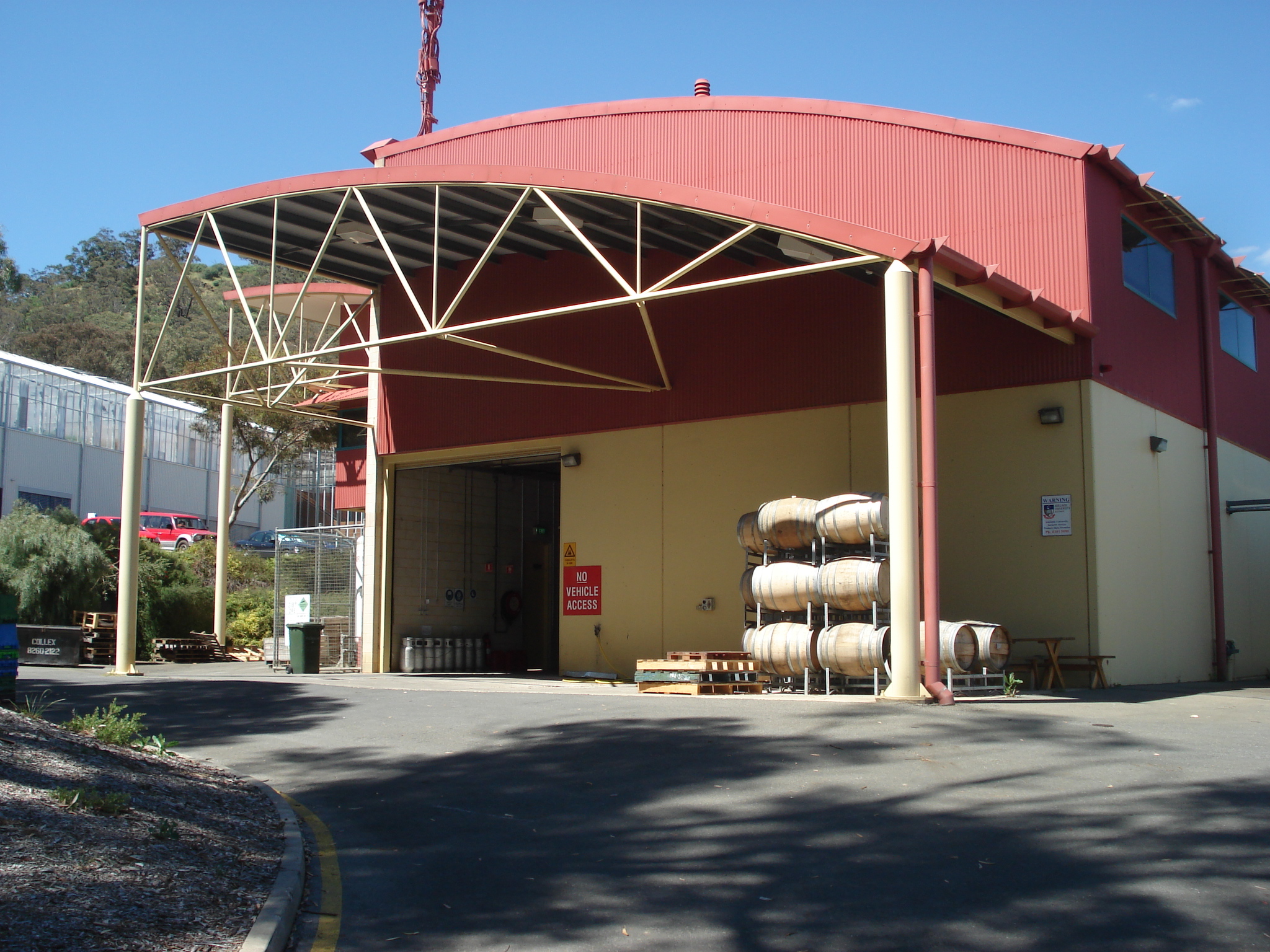
The winery

The Hickinbotham Roseworthy Wine Science Laboratory

The winery at Waite

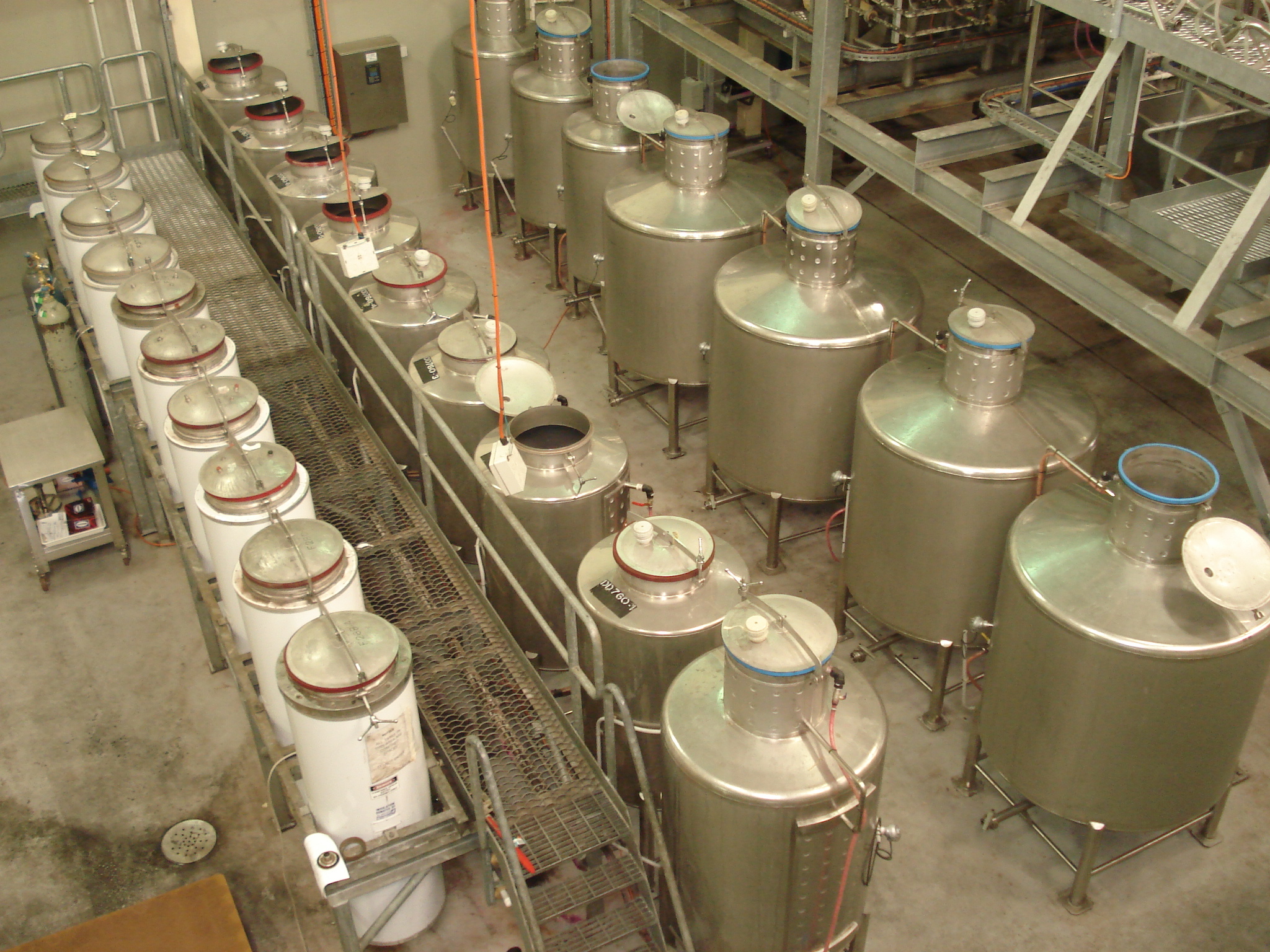
Wine production started in 1998 with less than 10 tonnes being processed, and now has a capacity of nearer 200 tonnes, although the annual average is currently closer to 120 tonnes. There are more than 1,000 tanks, around 100 of which hold over 200 litres. The lion’s share are under 200 litres for small batches to accommodate the various requirements for teaching, research, and catering to industry.

The winery also has a small-scale distillery and a small pot still which is stylishly situated on the research level of the facility, surrounded by a glass casing so that it is possible to view the entire apparatus up close and in safety. The distillery can process 600 litres of base wine per day to produce 100 litres of spirit, although its actual use is a fraction of this.

The range of wines produced includes still red and white wines; sparkling red and white wines; and fortifieds – apera (previously known as sherry) and tawny (port). For making the sparkling wines in the Champagne style with the secondary ferment in the bottle, there are base wines held in storage, and an old-fashioned riddling rack (pictured), as invented by widow Clicquot back in  1816 in Champagne, France.

The winery has the best available small-scale equipment and the standard is being constantly improved. For example, by the end of 2010, there will be a brand new crusher, two presses, and a state-of-the-art must pump.

The three concurrent streams of work

At this facility there are three streams of work, all of which are important and interlinked:

  • Teaching
  • Research
  • Service to industry

Teaching

The University of Adelaide School of Agriculture, Food and Wine offers a range of courses in viticulture, oenology and wine marketing to students of all levels – diplomas, Bachelor degrees, Masters and postgraduate and also offers courses for external students. This facility has had over 800 winemaking students complete its courses over the last ten years, as well as a similar number of wine marketing students. It forms a large part of the training for oenology students – for some it may be their first and only experience of a working winery.

Around 12 groups of students make four wines per year, with each batch being around one tonne of white or red grapes. They make the wine from the vine to the glass.

The students pick the grapes themselves from both university and commercial vineyards. The university vineyards are located within walking distance of the winery, two close to Rose Avenue and others on the north side of Walter Young Avenue. There is also a good relationship with several growers in industry where the students pick the balance, for which fair (market) prices are paid.

Production is on a relatively small scale, and too small for some technologies, such as some centrifuges, crushed flow filters, and so on. However, through connections in the industry, students are taken to larger facilities to view this equipment in operation.

The wine is bottled and elegantly labelled as The University of Adelaide and is sold to winery staff, assisting in the winery being self-financing. Furthermore, these wines have been independently acclaimed, picking up a number of awards (see below).

Research

The winery and laboratory has a strong research presence – both carrying it out at the facility and in assisting other university and industry researchers in their work. The majority of wine batches are for research purposes – from a total of more than 400 individual batches of wine, around 50 are part of the student courses as explained above, and there are some processed on a contract basis to industry (see below), and the remainder are research batches.

These research batches are generally small, commonly just 50kg of grapes which equates to around three vines, and  gives around 20 litres of wine (roughly two cases). This is a sufficient volume of wine for multiple experiments and repeats and for sensory analysis. This facility has a great deal of the best small-scale equipment designed to cater to this scale of production. Sometimes researchers will get involved in the winemaking and sometimes the winery does it on their behalf.

Service to industry

The university has a close relationship with the wine industry and operates an essential small winemaking service. The winery bridges an important gap in the market in processing small batches for wineries. Contract winemakers will usually not consider processing batches below 5 tonnes, so the university is filling a niche in the market. The university has about 30 contract customers, and commercial batches of 1 or 2 tonnes is common among these customers.

As well as there being the requirement in the industry for contract winemaking, there is also a demand for product development. The University of Adelaide used to offer this service in conjunction with the Australian Wine Research Institute (AWRI), and in recent years the Wine Sciences Laboratory has agreed to take on this role. This involves taking grapes, usually in batches of 50kg, and making them into wine, as described under Research above.

As well as offering these services, winery staff can offer advice on wine styles, winemaking techniques and the marketing of the wine, and in doing so have assisted in improving wines and in the overall success of a number of wineries.

Contract customers come from various South Australian regions, including Cleggett Wines (Langhorne Creek); Massey Wines (McLaren Vale); Vinteloper Wines (mainly Adelaide Hills and McLaren Vale); and Bowe Lees (Adelaide Hills). The winery has lost some customers for the best possible reasons – they have brought their early or experimental batches to be processed at the university, and ultimately expanded and become successful. Examples include David Blessing (Flinders Ranges), Stephen Clarke and Howard Vineyard.

Awards

Since taking on commercial winemaking in 2002, many of the wines have been entered into wine shows under the customer’s labels and the university’s label. These wines have accrued over 70 medals to date including several at the Australian Small Winemakers Show over the years. A cross-section of winning examples are:

  • Australian Alternative Varieties Wine Show, 2006: Peter Godden’s Arrivo Wines Nebbiolo won a trophy for the best nebbiolo of the show and another trophy for being the best wine of the show.
  • Langhorne Creek Wine Show, 2007: Cleggett Wines’ Shalistan – a white-skinned cabernet sauvignon – was named the top white in the show.
  • Hyatt Wine Awards, 2007: Howard Vineyard won the consumer’s choice for the best rosé in the show.
  • Adelaide Hills Wine Show, 2007: Stephen Clarke’s Axiom Sauvignon Blanc won best sauvignon blanc, beating entries from well-known producers such as Shaw & Smith, Nepenthe and Starvedog Lane.

Future

The winery’s vision for the next ten years is to increase its scale significantly and to remain at the forefront of winemaking and research technology.

Note: The winery is an important element in the University of Adelaide’s contribution to the Wine Innovation Cluster (WIC). WIC has four grape and wine research agencies working together for the future of the Australian wine industry – these are: the University of Adelaide, CSIRO, AWRI and the South Australian Research and Development Institute (SARDI). Wineries taking part include Pernod Ricard, Yalumba, Treasury Wines (Fosters), and Orlando.

Posted in McLaren Vale wine, New World wine, South Australian wine, University of Adelaide’s Wine Sciences Laboratory at Waite, Winemaking, wine appreciation and viticulture courses | Tagged , , , , , , , | 5 Comments

Wine passionados bottling Sturt Creek Estate’s ’09 cab

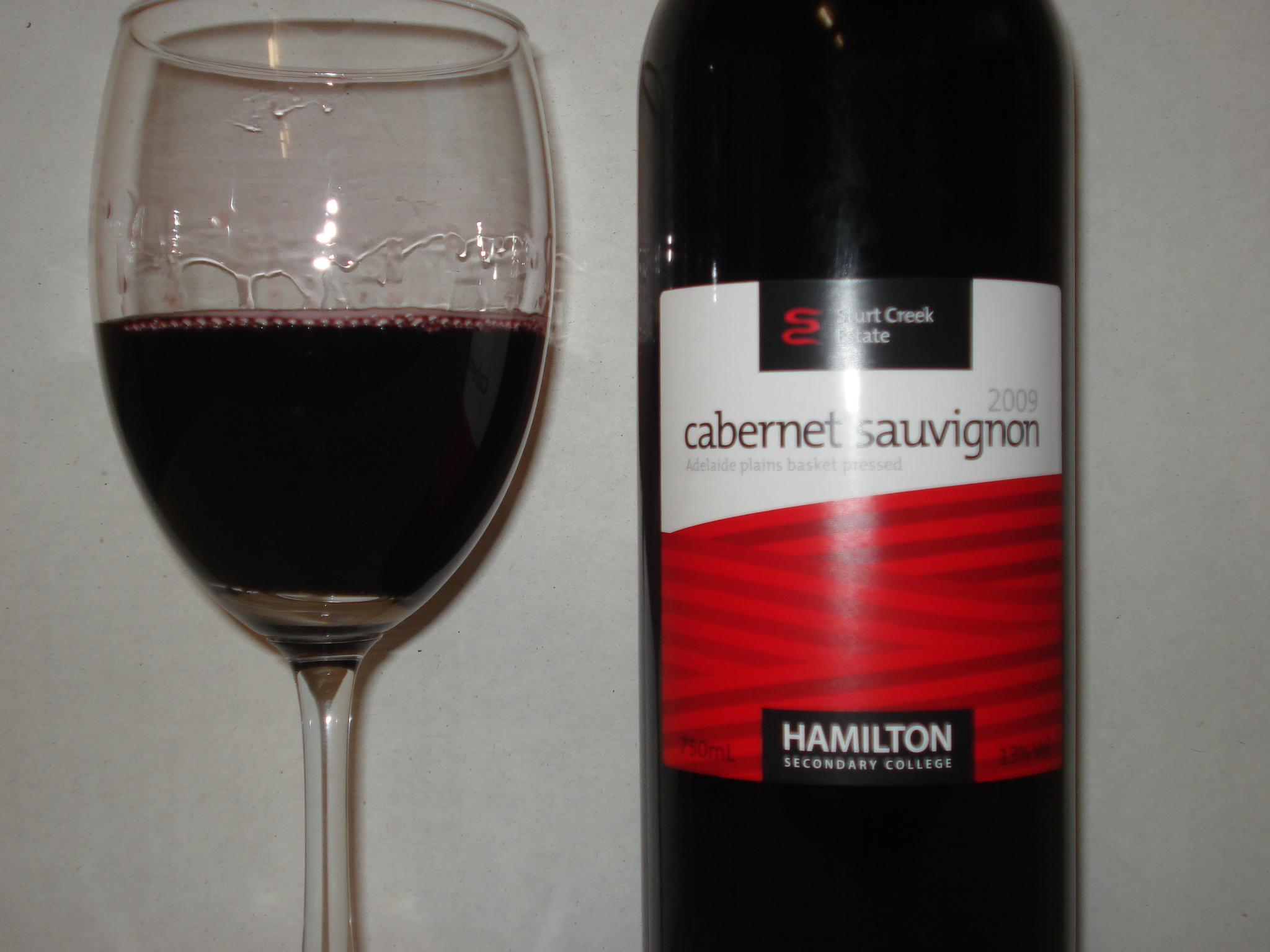
Sturt Creek Estate 2009 Adelaide Plains Cabernet Sauvignon

One balmy evening at Hamilton Secondary College in the Adelaide suburb of Mitchell Park I joined fellow wine enthusiasts to bottle the 2009 Sturt Creek Estate Adelaide Plains basket pressed cabernet sauvignon. I was there to assist the current winemaking class – twice a year tutor Strat Koultras runs an adult’s winemaking course on the school grounds, complete with its own vineyards, and small-scale winemaking and bottling equipment.

I did this very course back in 2007 and love keeping involved with people who share my passion for all things wine. Not only does Strat teach people how to make good wine, he shares his own passion in a relaxed and friendly, yet very informative way. My ex-tutor is now a friend not only to me but to many of his ex-students. I would recommend this course to anyone who wants to be involved in a small-scale winemaking endeavour and learn more about every stage of the process, from grape growing and picking, through all stages of making and testing the wine, to bottling.

Strat Koultras, winemaking tutor

The bottling team (L to R) - Gareth, Suzette, Glenn, Nicki, Glenn, Michael, Vito

Between the eight of us we got an efficient production line going and bottled a 300 litre barrel of cabernet sauvignon, waking it from its 12 month maturation in American oak.

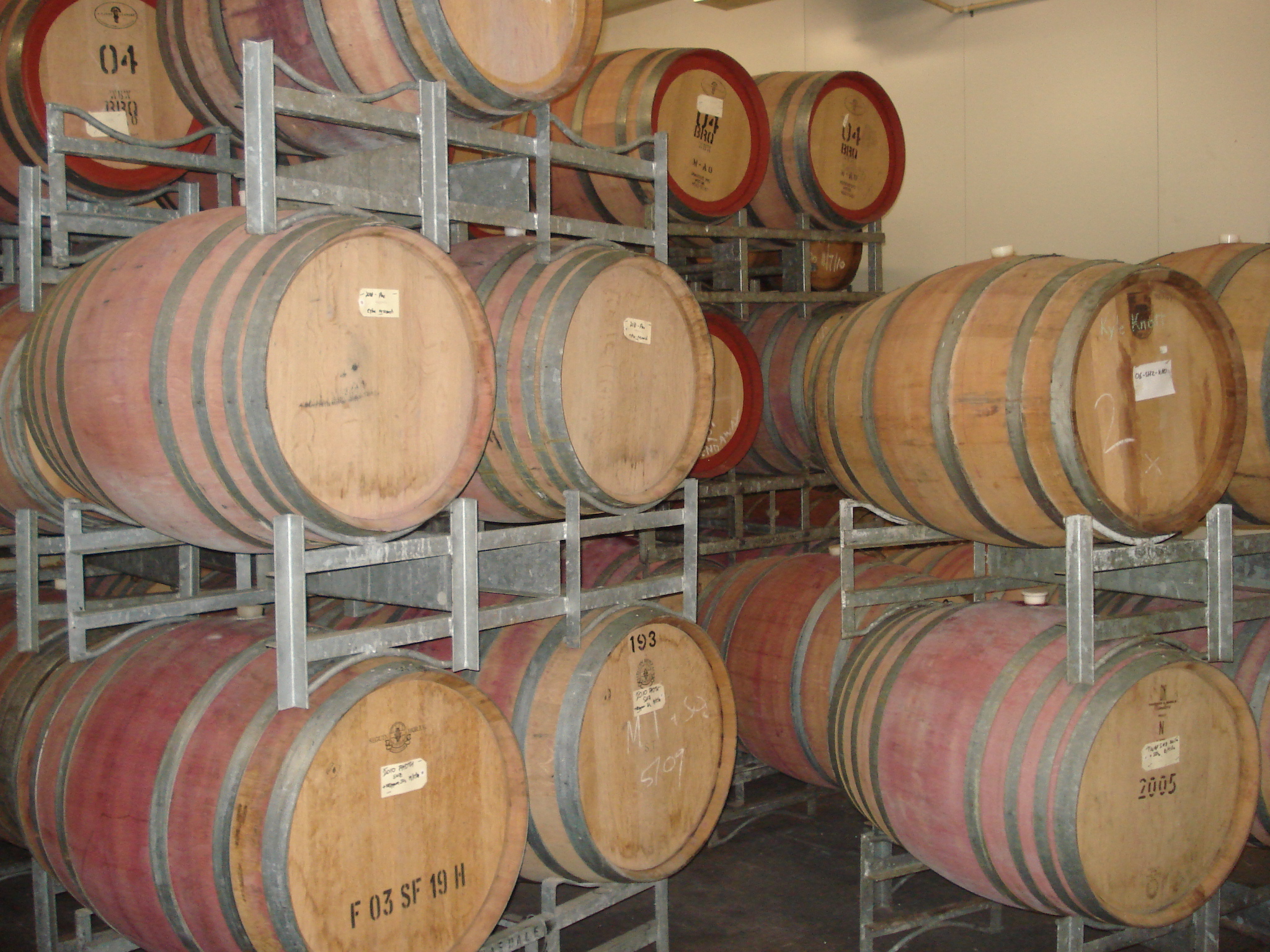
Of course we had to give it a try after our ‘hard’ work – as pictured, it was a beautifully dark purple and the nose was rich and generous with berry fruits, cherries, plums and a light spice. The palate was full bodied with dark berry fruit sweetness, grippy tannins and a long, dry finish. I am going to cellar my bottles (my ‘pay’ for bottling!) even though great drinking now, I reckon a few years will see it just right.

Also sitting in barrels all around us was the 2010 chardonnay about to go through malolactic and the 2009 shiraz. I am right there when the next bottling is booked!

Posted in Cabernet sauvignon, McLaren Vale wine, South Australian wine, Winemaking, wine appreciation and viticulture courses | Tagged , , , , , | 2 Comments

Sprinting the Long Mile! A tasting of the Langmeil wine range

When friends suggested we attend a tasting of Langmeil wines in Adelaide this week I jumped at the chance. I immediately thought of the outstanding Jackaman’s cabernet and the ancient shiraz vines – the oldest in Australia and possibly the world. I counted down the days!

Paul Lindner, Chief Winemaker

The event was hosted by brothers James and Paul Lindner, Paul being the chief winemaker (pictured), James the marketing guy. Barossa born and bred and carrying on their family tradition of winemaking dating back to 1841 (the second oldest Barossa winery after Bethany), they put everyone at ease and shared stories and movie clips about the winery and vineyards.

There were 11 wines to taste and Paul talked us through each one, with insightful snippets about the vineyards and winemaking techniques. For me he represented what great wine is all about – passion with humility, quality with restraint, letting the character of the grapes (not the winemaker) shape the wine.

After a spritzig Eden Valley riesling palate cleanser we tried the GWH Viognier – Great White Hope – one of the challenges to the all-powerful New Zealand sauvignon blanc taking Australia by storm! On the nose was a slight smokiness – apparently from the yeast strain as it had seen no oak. The palate was soft, dry and slightly oily with a hint of tropical fruit flavours, good length and perfect acidity. Clean and savoury – next!

The rosé was a pleasant surprise, made from cabernet sauvignon. A pretty dark pink it was aptly named Bella. A pleasing balance of red berry fruits, floral notes and a dry finish.

Langmeil wines on the tasting table

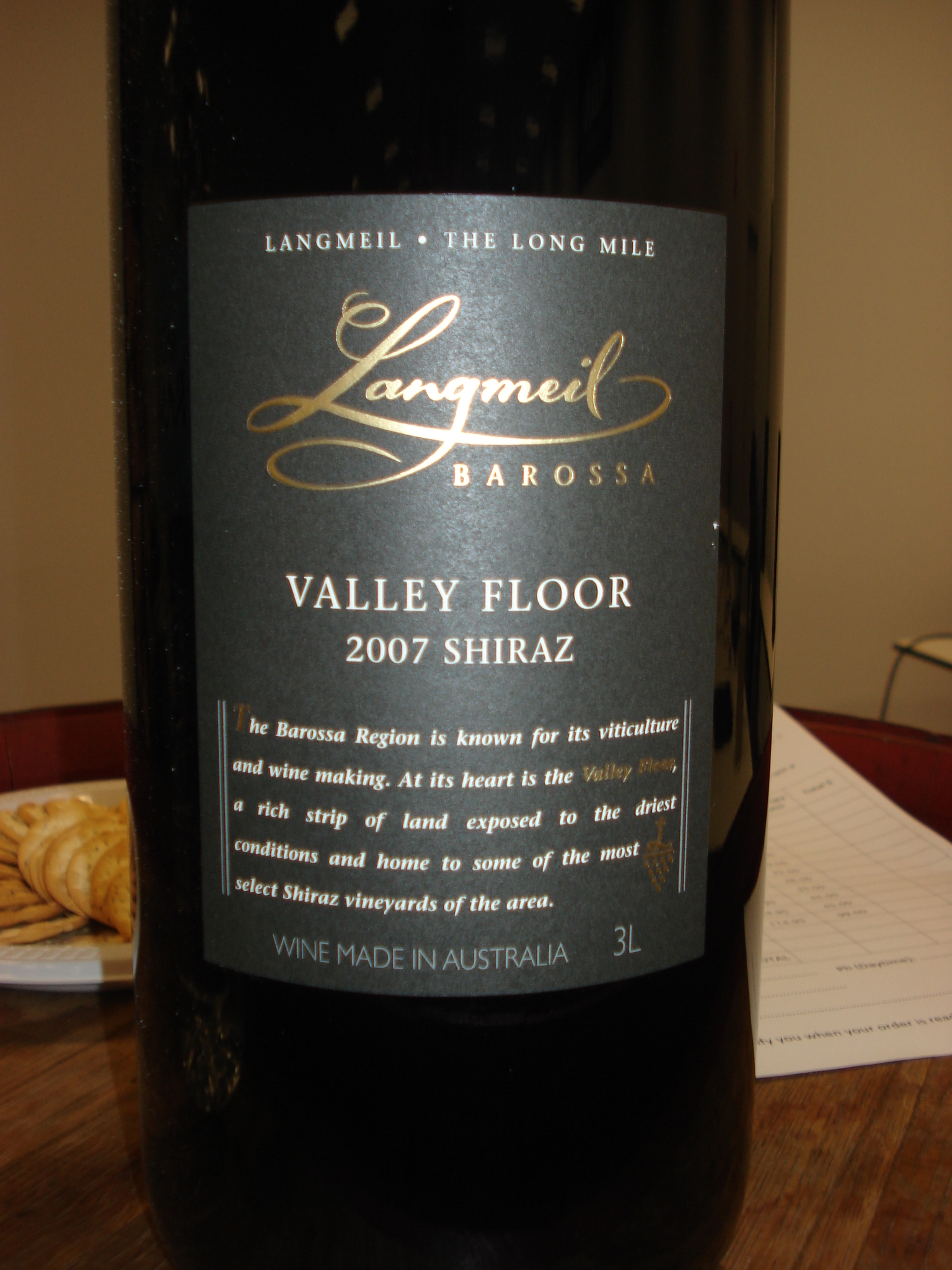
2007 Valley Floor Shiraz Magnum

Onto the reds – eight in all, from $25 per bottle to the $115 Freedom 1843 Shiraz (bulk buy prices about 12% less). We tasted in order of cost but I have grouped them in bite (sip?) sized morsels by shiraz, cabernet and grenache:

  • 2008 Hangin’ Snakes Shiraz ($25)
  • 2007 Valley Floor Shiraz ($25)
  • 2008 Orphan Bank Shiraz ($55)
  • 2008 Freedom 1843 Shiraz ($115)

Hangin’ Snakes is apparently a polite way of swearing! This shiraz has been partially fermented on viognier skins and gives a dry, savoury wine with a subtle lift from the viognier. The Valley Floor was more generous on the nose with aromas of ripe berries and licorice, and a soft, rich mouthfeel with dark berry fruit sweetness and chocolate carrying through to a dry finish. A 2007, it was already showing some nice development and integration.

The Orphan Bank warranted a video clip of its own – of the 140- to 150-year-old vines being transplanted one by one – over 300 of them – to a new site. Blackberry and mocha and lightly perfumed and respect to the orphan vines!

The star of the night was always going to be the Freedom 1843 Shiraz. These vines are iconic and should be world famous. South Australia has some of the oldest vines in the world because it has not had any major outbreaks of phylloxera – the aphid that eats vine roots that wiped out vines across Europe, America and other parts of Australia. This wine is a little piece of history. It did not disappoint – the nose was deep and intense with chocolate and rich blackberry and a slight smokiness. It was pleasingly complex, with a perfect balance of fruit sweetness, dryness and savoury tones.

  • 2007 Blacksmith Cabernet Sauvignon ($33)
  • 2008 Jackaman’s Cabernet Sauvignon ($55)

The cabernets were both wonderful and very different. The Blacksmith was a garnet/ruby red maturing beautifully, a typical varietal, again in the dry, savoury style. The younger purple Jackaman’s was jumping out of the glass with fresh mint, berries, licorice and violets – a truly rewarding sniff! It gave flavours of juicy blackcurrant and mint, wrapped softly in grippy yet silky tannins rounded off with gentle spice.

  • 2009 Three Gardens Shiraz Mourvèdre Grenache ($25)
  • 2008 Fifth Wave Grenache ($40)

The two grenaches were chalk and cheese (or apple and egg as they say in Germany, so a German lady told me recently). The Three Gardens SMG was young and perfumed, a fruit-driven, lighter style of red with fruit sweetness on the palate and a little pepper and spice. The savoury finish rounded off a delightful wine that I would love to see given the chance to stay in the bottle for a few years.

Then came the Fifth Wave Grenache – a dark dense black/purple. The nose made me close my eyes and breathe in deeply – delightfully rich with chocolate-covered cherries and vanilla, promising and delivering a soft, fruity, silky wine with deep, rich cherries and a lingering dry finish – and that’s me finished!

My favourite? A tough call – fabulous wines for the money were the Valley Floor Shiraz and Blacksmith Cabernet Sauvignon. But I was as keen as always on the Jackaman’s and blown away by the grenache and of course the 1843 Freedom. It’s fair to say, you are safe whatever Langmeil wine you pick.

Posted in Barossa wine, Cabernet sauvignon, Grenache, New World wine, South Australian wine, Syrah/Shiraz | Tagged , , , , | 8 Comments

The Johns – Loxton and Riddell – present 10 shiraz vintages on 10/10/10 at Ballast Stone

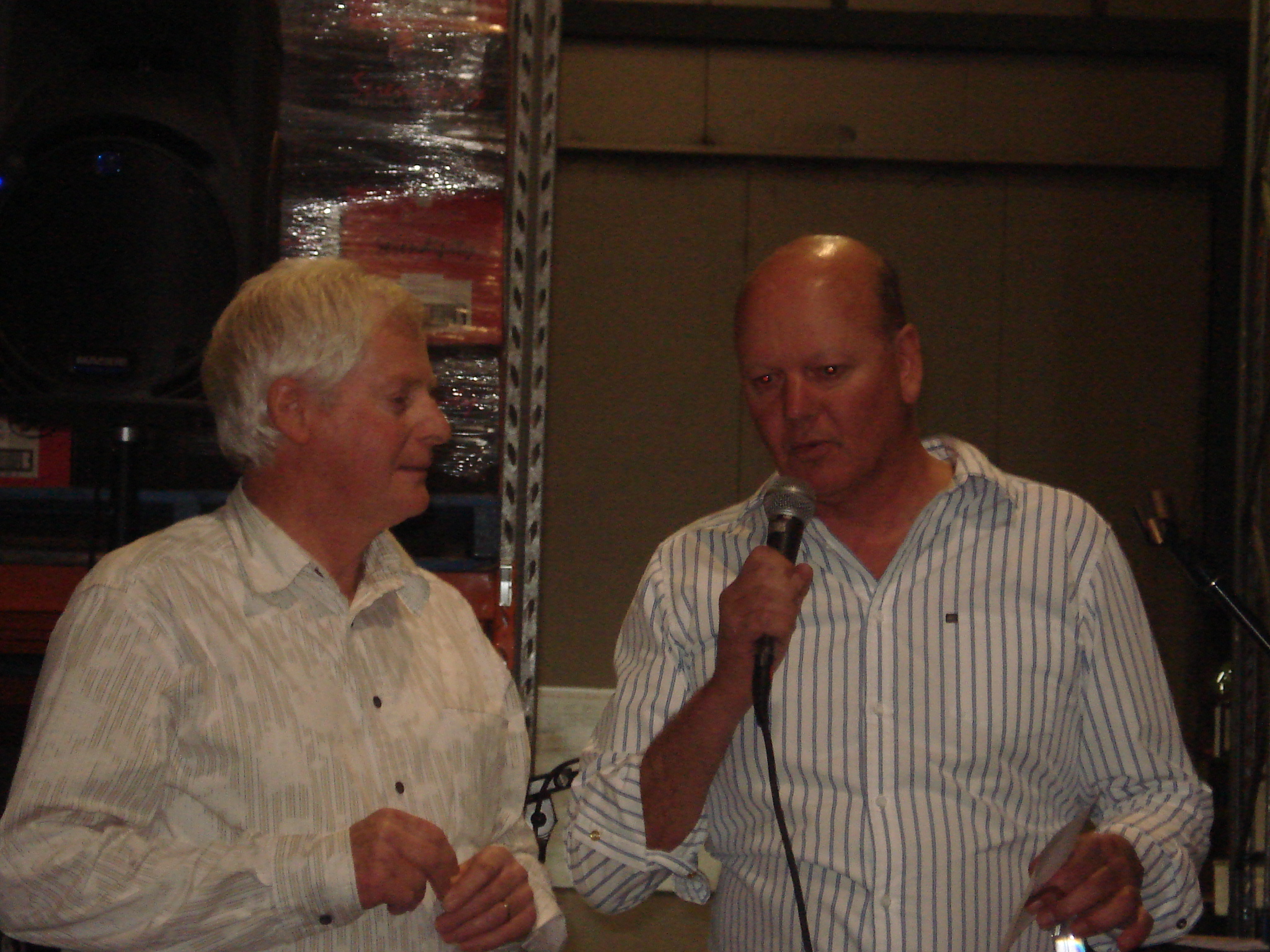
On a beautiful sunny day in Currency Creek, John Loxton, head winemaker at Ballast Stone wines, presented the winery’s ten latest vintages of shiraz at a lunch in the barrel room at the winery on 10/10/10. John Riddell of Channel 7 and Mix 102.3 hosted the event, attended by 150 or so guests. Tigchandler collected a few snippets of the entertaining commentary by the Johns.

John R asks John Loxton:

What do you prefer to see going into the Ballast Stone shiraz? podcast

And what do you expect from the coming vintage? podcast

What about the cellaring potential of the various vintages? podcast

Tigs

xx

Posted in McLaren Vale wine, New World wine, South Australian wine, Syrah/Shiraz | Tagged , , , , , | 1 Comment

Twitter – time waster or valuable resource?

A dual resource – social media for work and personal reasons

Twitter excites and frightens people all at once! This blog looks at its positives and how it can be abused. Responses are invited!

Twitter is part of this amazing social media evolution. As a relative newcomer to using social media on a daily basis more for work than socialising, I am seeing every day how useful it can be. It keeps me up-to-date on many areas I need to know about my line of work and has put me in direct contact with key figures around the world and across disciplines.

On the flip side there is the potential to spend every waking minute reading tweets, Facebook comments, blogs, websites and news items; watching videos, listening to podcasts, uploading phootos and downloading music. There is so much to see and do that we could do just this and never get bored!

However, most of us have jobs and should be concentrating on these during work hours. The line is getting increasingly blurred though as a large proportion of people need to use the internet and email for work reasons and by default then have access to social media. Furthermore, some of us are required to use all of these media as part of our work – and will also be involved at a personal level.

Newly converted to Twitter

I have been using email and the internet for work reasons for many years. Email is a tool that we all use extensively both for work and personal reasons.  I set up my Facebook site in 2006 purely for personal reasons to share my travel photos with friends dotted around the globe. But Twitter and blogging never appealed to me. I am the type of person who doesn’t spend any more time on computers than necessary and was not quick to purchase a cell phone because I am not keen on chatting on the phone except to make arrangements and say goodbye.

I started using Twitter and set up a personal blog just a few months ago purely for work reasons. Part of me was sceptical and I felt like it was a bit of a navel gazing exercise and I did not expect to jump on the bandwagon singing its praises. Now I am like the converted non-smoker – raving on to people about the upsides of these media.

Emerging issues surrounding social media participation – personal versus work usage

Growing issues are coming from both directions – on the one hand, people wasting work time by spending time participating in social media; on the other, having the use of social media for work reasons impinging on people’s own time as some are expected to keep an online presence whether during work hours or not.

I believe it comes down the age-old argument that some people will do the right thing and some people won’t. Therefore the article appearing in the New Zealand Herald entitled “Is Twitter a small business time waster?” brought two opposite reactions from me – I agree and I disagree – and it depends on the responsibility of the individual – a dying art it seems.

I know from my point of view I need to have a presence on Twitter and the more that I do, the more I appreciate its vastness; its reach both geographically and across all sections of society; its timeliness; and the relationship building that is at the heart of any successful venture. I start to feel a little guilty if I don’t see what people are saying for a few days, and participate in some way, just like feeling guilty for not calling on my friends. Twitter helps me in several ways:

  • It has connected me with people and organisations that I would not have connected with otherwise.
  • I have followers, and I follow people, who are interested in the same issues and news items.
  • Through these links I have shared research and discussions and news with people, and vice versa.
  • I feel more on top of relevant events and concerns than I ever have.
  • My work reaches more people directly in a short space of time than it otherwise would.
  • I have asked people to provide information and it has been tweeted around until someone has assisted me, and I have also answered other people’s queries.
  • Through Twitter I have advertised my blogs and my readership has grown.

Twitter to me is like having a newspaper designed purely for you. You interact only with people you choose. I have started to follow some people who are clearly not using this medium for the purposes listed above but just want to tell me that they are making a coffee, or they might be going for a walk later. I have blocked a few navel gazers and people who are those who would bore you in the flesh and are using Twitter to spread their useless banter.

There is also the social and personal value of these media, including Twitter:

  • Sharing experiences, thoughts, daily events, achievements, photos, and so on with friends and family around the globe.
  • Having a much closer relationship with people you may not see often or at all.
  • Keeping a record of your own photos, contact information, news feeds and so on, online so it is easy to access when you want it.
  • Finding out about issues, events and discussions of interest to you and making links with people and entities you might not otherwise come across.

As with the list for the positives for business usage, I am sure I have missed off positives for personal usage. The point is, these media have a variety of applications for both. How you choose to use them is up the individual. I am trying to keep my Twitter presence and blog predominantly work-related and my Facebook site personal but it is getting more difficult as people send work links to my Facebook site and friends want me to link to them on Twitter.

Do social media waste work time?

I ask this question as it was raised in the article in the New Zealand Herald with regard to Twitter – the answer I am afraid is not a hard one: Yes or no depending on the person.

I wrote my recent blog entitled “Blog, tweet, FB – and even better if it’s for free” from the other side of the argument – to invite discussion as to whether some people felt that using social media for work reasons was impinging on their lesiure time and yet not recognised as real work by employers.

The person who uses these media irresponsibly and wastes work time doing personal correspondence that does not benefit the company – I think these were the people who years ago would have taken the maximum number of smokos, made personal calls during work time, and employed every trick in the book to make their life easier rather than put their employer first and do the work for which they are being paid. They will write a few too many personal emails and are probably those people who send on joke emails all the time. We have all known people like this. Social media is another outlet for them.

Those who have a responsible work ethic will only engage in personal correspondence during work time when they are on their break and will do the bulk of it outside of work time. There is a balance. Answering a personal email or two during the day should be acceptable and the same should be true of using other social media.

There is a blurring of the line when you need to use these media for work reasons, which I certainly do. I have to be a responsible adult and be true to myself and know that if I am using these media during work hours, I am doing them for work reasons. If I simply want to converse with friends I can do this on my break time or after work. Since I do use these media outside of work hours for work reasons to keep on top of conversations or to blog or check news stories, there is some leeway both ways.

A responsible individual will get the balance right. A bludger will always take advantage of the system. Twitter is incredible and a very exciting resource both for personal and business use. But as with anything, there are always people out to abuse and take advantage. This does not detract from the value of social media. It is a shame if companies have to start banning its use during work time due to the irresponsible people who – for the whole of time – have spoiled things for everyone else – laws are introduced to protect the many from the few. I can understand if some companies start to do this. I do lament the need for more straitjackets on society because of the few. The Nanny State is something we all have complained about – but how else do we pull the bludgers into line?

Posted in Social media | Tagged , , , | 1 Comment

Social media as tools for business – a Wine2030 blog

This is an article I recently wrote for Wine2030 following attendance at the NZ Wine Business Symposium in Napier, NZ. For completeness and ease of reference I am copying into this blog.

Social media as tools for business
Wine and economics have been around for a long time – hundreds, even thousands of years depending where you choose to draw the line. Social media have also been around for a long time, interpersonal communication is as old as man itself.

As an advertiser or marketer will tell you, personal recommendation is the best kind of advertising, as you tend to trust the person you are talking to more than an advertisement or the producer themselves – plus it gets your attention to focus on that particular product. Social media then provide the ultimate tools and the recent developments of social media networks such as Facebook and Twitter offer boundless opportunity for business. Facebook has over 400 million users and Twitter has 105 million – and both still rising. There are of course other online communities, but these are two of the largest and with the highest profiles.

I recently attended an energetic and fun presentation at the New Zealand Wine Business Symposium in Napier, New Zealand, by two guys calling themselves the Qwoff Boys. They emphasised the importance of communication – and in the current social climate, people want two-way communication – they want their voice to be heard. These media give people the chance to talk about what they like and want and think, and to bounce their ideas off others; join groups and focus on their areas of interest; and learn about whole new topics. Feedback is the key to social media. People don’t just want to be heard – they expect to be heard. And they want to hear what others think too.

These media give people the chance to share experiences, ideas and opinions through the spoken and written word and visual media – emails, blogs, online discussion, podcasts, photos and videos. This is the biggest audience that a company can have direct access to. Increasingly people are social networking online, doing their research online and purchasing all kinds of goods and services online. Social media opens the door to a large market. It is however important to understand the strength of ‘pull’ marketing, as opposed to the traditional ‘push’ marketing of media such as television commercials. The key is for people to become brand ambassadors, to build loyalty to the product. They become your salespeople if you go about it the right way.

On the flip side of course there are already millions of companies online, so the challenge is to establish a presence. If we are talking here about wine, this is especially true – with so many wineries online, it is important to distinguish the name and image of the company and the brand. The Qwoff Boys talk about the need to establish a personality for the company as this becomes important when you start to interact on a social level. People want to know what the company stands for, not only about the product.

Firstly, since there are a number of social media networks, it may be best to pick one or two and concentrate on those – it is an ongoing commitment to service these sites and be responsive to people about the product or service. There are a number of steps to get involved – there are several that are interlinked, and for a relative newcomer to these sites, I shall try to explain their interaction as I see them.

Let’s call the company Hip Hop Wines. The Hip Hop Wines website, blog site, Facebook and Twitter addresses are all complementary. All can exist independently but to maximise the number of visitors (and potential customers as well as brand ambassadors) the way that these media interact is crucial to understand and embrace.

Every company worth its salt these days has a website – the quality varies widey. This is a very important first step in media presence because the other media will create interest in your product and people are likely to then want to see the website. Hip Hop Wines has a lively name that gets people’s interest so look at the website – they want to see what the product is and some description of the wines, who makes it, what the brand stands for, what the logo and packaging looks like, what the company belief is. Photos of the winery, staff, some personal touches, all help the visitor to feel connected.

A point of difference is always a plus – does it have an unusual grape variety, is there something interesting about the area or the history of the winery, is the winemaker an ex-circus clown – something to make the customer feel connected and remember the brand. People love to tell stories about wine when they drink it and share with friends. I have a couple of little facts for most wineries I have visited – for example, from my visit to Champagne I remember four years on that Moet was friends with Napoleon – there is a barrel in the Moet cellars that Moet gave to Napoleon as a gift; and widow Clicquot of the Veuve Clicquot Champagne family was the inventor of the riddling table – a key piece of equipment in the making of Champagne.  

On the practical side, they want to know where they can buy the wine – cellar door, outlets, online ordering. They want to be able to contact someone to ask questions. And they don’t want to have to look too hard – there are lots more wines vying for their attention. So the website needs to be informative and provide all of this information and more in a way that is interesting and accessible.

So if I have a great website – why do I need the other media? Well – if you had a great book in Dymocks, how will someone walking in the door know that your book is so great? How do you direct them to looking at your book over thousands of others? The problem is the same on the net on a larger scale.

The Qwoff Boys use social media as a core asset of their business (@QwoffBoys; www.qwoff.com/go/blog; www.facebook.com/qwoff). Twitter allows just 140 characters per message (Tweet) – enough to whet someone’s appetite and provide a link to your website, your blog, and your Facebook page. On your blog you can write and post images, podcasts and videos of whatever you like and as often as you like  – reviews of new releases of Hip Hop Wines, medals that your wines have won, a new logo, a new range, a food and wine review with one of your wines, anything that may be of interest and give you a reason to tweet. People read the blog and may well start to follow your blog and see whatever you say in future.

Facebook had the business and personal page option. You want people to add you to their favourites and then receive updates when you write them. In your updates you can include videos and photos and links to blogs and the website – the Hip Hop Wines Facebook page should have key information points displayed prominently, such as the logo, winery name and address and contact details, photos, and links to interesting information about the company and the wines. It needs to hold the visitor’s interest – one click and they are looking at something else and someone else’s product.

On Twitter people start to follow you; on Facebook people start to follow you; on your blog people start to follow you – and the website is just one element in this whole media Rubik’s cube. All are inextricably linked – or should be. Each medium can and should link to the others. The website page can have links to Facebook, Twitter and blog pages and even quote tweets that are positive about the product. The interlinkages are too numerous to describe.

It is genius when you stand back and see it all working. I am still quite in awe of it myself and have explained it in a simple way so that it is clear.

The important thing to remember is that it is a two way conversation – therefore once you commit to these media, you must be dedicated. You must respond to queries or people will lose interest in Hip Hop Wines and choose something else where they feel they are being listened to. Keep a presence – set yourself a target of posting something new at least a couple of times a week, for example, so people do not get bored. If you have nothing new to tell, suggest a wine and food matching or chat about something you read or heard. Or ask your followers to tell you something – maybe ask them what they think would go best with you dinner tonight of duck fillet and orange sauce. Then answer them when they make suggestions. People want to be heard.

One other point to note is that if you want people to follow you, you also need to follow others – the principle of reciprocation, sharing and two-way communication. You need to be involved in conversations and to have a presence that is not just selling your product – remember the pull marketing. It takes time to establish a following and it needs an ongoing commitment.

Social media offer a minefield of opportunity. As the Qwoff Boys say – if you get this right, establish a presence, stay friendly and informative and respond, keep conversations relevant, and rely on pull marketing rather than push – these media will work for you. You will have your own army of brand ambassadors.

Author: Dr Nicola Chandler, Visiting Research Fellow, Wine2030, University of Adelaide.

Posted in Social media | Tagged , , , , , | 1 Comment

Blog, tweet, FB – great and even better when it’s for free!

I am raising an issue that is becoming evident to me the more I become involved in various social media including Twitter, Facebook, blogging and of course websites. I would be interested to know if other people are having the same experiences as I am in regard to how their efforts are demanded, perceived and remunerated – if at all!

More and more we are being told just how important it is to be involved in these outlets if we want to know what’s going on in the areas we work in and to engage in conversations with anyone relevant to our areas of interest. These media help us to keep right up to date – more accurately, up to the minute – with what is happening all over the world, what people are concerned about, market events, issues, and so on.

I can appreciate all of this and am impressed at how on the ball I feel that this involvement has made me. Employers want their employees to know their work area in detail and up to the minute so this is all good.

However! There is a large time investment required for most of these results to be achieved. For example, I have a Twitter account which I started about two months ago to get involved in discussions talking about wine – the product, trade, issues, news, and so on. This was purely for work reasons – I would not have considered doing this just for myself.

Now I check Twitter several times a day – not an onerous task in itself and this is where I learn about what people are concerned about, I hear about new wine releases, wine-related research, events, and so on. What is more of a time-consuming task is that you need to get involved, not just be an observer, if you want people to bother to follow you. You need to be interesting too! So I make sure I write at least one original blog per month, usually more, and link to it through Twitter. I also post links to key events relating to certain areas of interest, mostly wine-related, some social media. Plus, I make sure I read other people’s posts and follow their links and then respond to what they are saying. Social media is a two-way street – you can’t expect people to be interested in you if you are not prepared to be interested in them! It is all about perceptions and relationships.

In order to be interesting on the blogs and in links that I choose to put on Twitter to key news items or other people’s articles, I need to keep on top of what is happening. This is another time-consuming task – enjoyable and interesting – but time-consuming. All of the above tasks could keep me occupied for the whole of my full-time job – but it is only supposed to be a small portion.

One of the reasons I am building a following on these sites of course is so that when I have something to publicise relating to my work, people will want to have a look and this is a fabulous and immediate way to reach the maximum audience. Twitter, Facebook and blogging are fabulous media for this.

This brings me back to doing it for free – the point of this blog. I wonder if our employers – who are keen that we embrace and use this technology to the best advantage – realise just how much time it takes and how our work life is now creeping more and more into our private life. Yes it is fun and interesting but it is also work and I know that I for one spend a lot of my personal time away from work doing this research and monitoring of sites and writing blogs. I seem to have less free time and the line between work and leisure time is blurring. And is it even seen by employers as being real work or a bit soft and easy?

Then it occurred to me – this is probably a growing phenomenon. Do we just suck it up? Is there a way to separate work and social media from lesiure time or is it just a new age and way of working and living that we have to get used to or get out of the kitchen?!  All comments would be welcome!

Tigs

xxx

Posted in Social media | Tagged , , , | 1 Comment

Pirramimma 2004 Old Bush Vine Grenache – takes no prisoners!

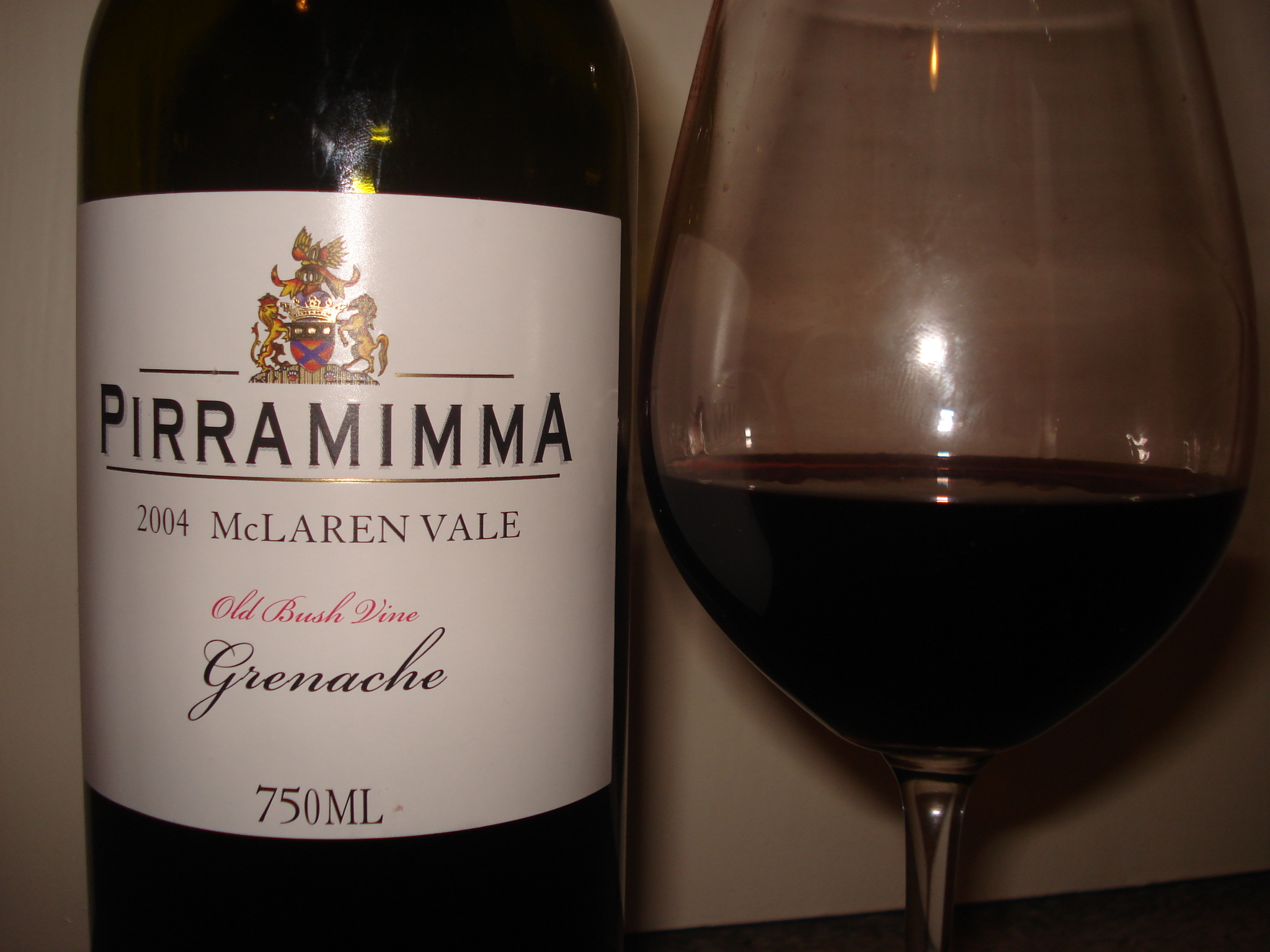
In honour of International Grenache Day (September 24) I cracked my cherished bottle of Pirramimma 2004 Old Bush Vine Grenache. This is a special wine with an interesting history – the vines were planted in 1944 by prisoners of war – hence the vineyard growing these gnarly, and at the same time beautiful and graceful, dry grown bush vines is known as the Prisoner of War vineyard.

At first sight the wine is a dark brooding beauty – dark cherry red with a very slight hint of garnet tinge showing the first signs of its age. The nose is fragrant, rich and generous, with red stonefruits – plums, cherries, and a hint of raspberry, intermingling with pleasing spice and a floral high note. The aromas alone make you close your eyes and settle back, knowing that this wine will be a treat.

This wine is a delicious balance of deep savoury flavours melded with cherry chocolate and a perfect amount of fruit sweetness, all wrapped up in a soft, velvety texture with a subtle vanilla influence from the two years in American oak, with grippy tannins and acid holding the wine nicely together.  

Bottled in 2007 under screwcap it is now at its perfect drinking age. At just $20 from cellar door it is ridiculously cheap for such a great wine.

The 2006 Old Bush Vine grenache will be released 1 October – soon!

Tigs

xxx

Alcohol 14.3%

Silver medal winner at the 2008 San Francisco International Wine Competition

Pirramimma winery is located at Johnston Road, McLaren Vale and is one of the few family owned wineries in McLaren Vale, dating back to 1892 when it was started by the Scotsman Alexander Campbell Johnston. He named the land Pirramimma, meaning ‘the moon and the stars’ in Aboriginal. Pirramimma is renowned for its old bush vine grenache, and its White Label straight varietals of petit verdot and shiraz.

Posted in Grenache, McLaren Vale wine, New World wine, South Australian wine, Wine varietals and blends | Tagged , , , , , | 2 Comments