Hello from a very warm and sunny Spain. Tigs has ventured to the other side of the world to experience a whole new culture and language (and to dodge the NZ winter!).
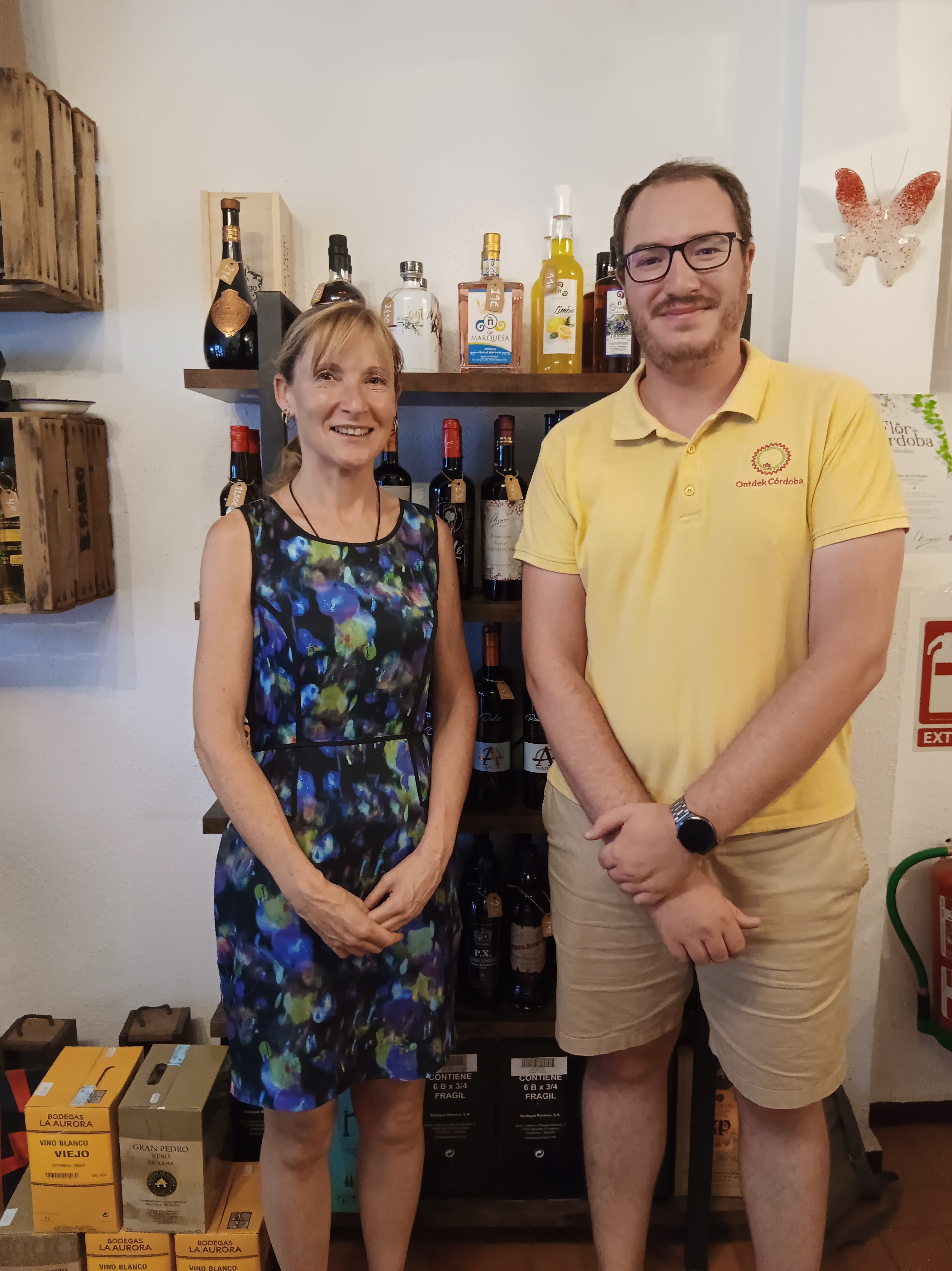
After many old castles, cathedrals, churches and palaces I succumbed to the call of a wine tasting of local Cordoba wines. Down a winding little street where a car can just about squeeze down one way, I found the boutique wine and olive oil store called Descubre Cordoba (Discover Cordoba). With just me and another couple, funnily enough from Adelaide, the host Francisco gave us a lot of information and a very enjoyable tasting with tapas to accompany each wine.

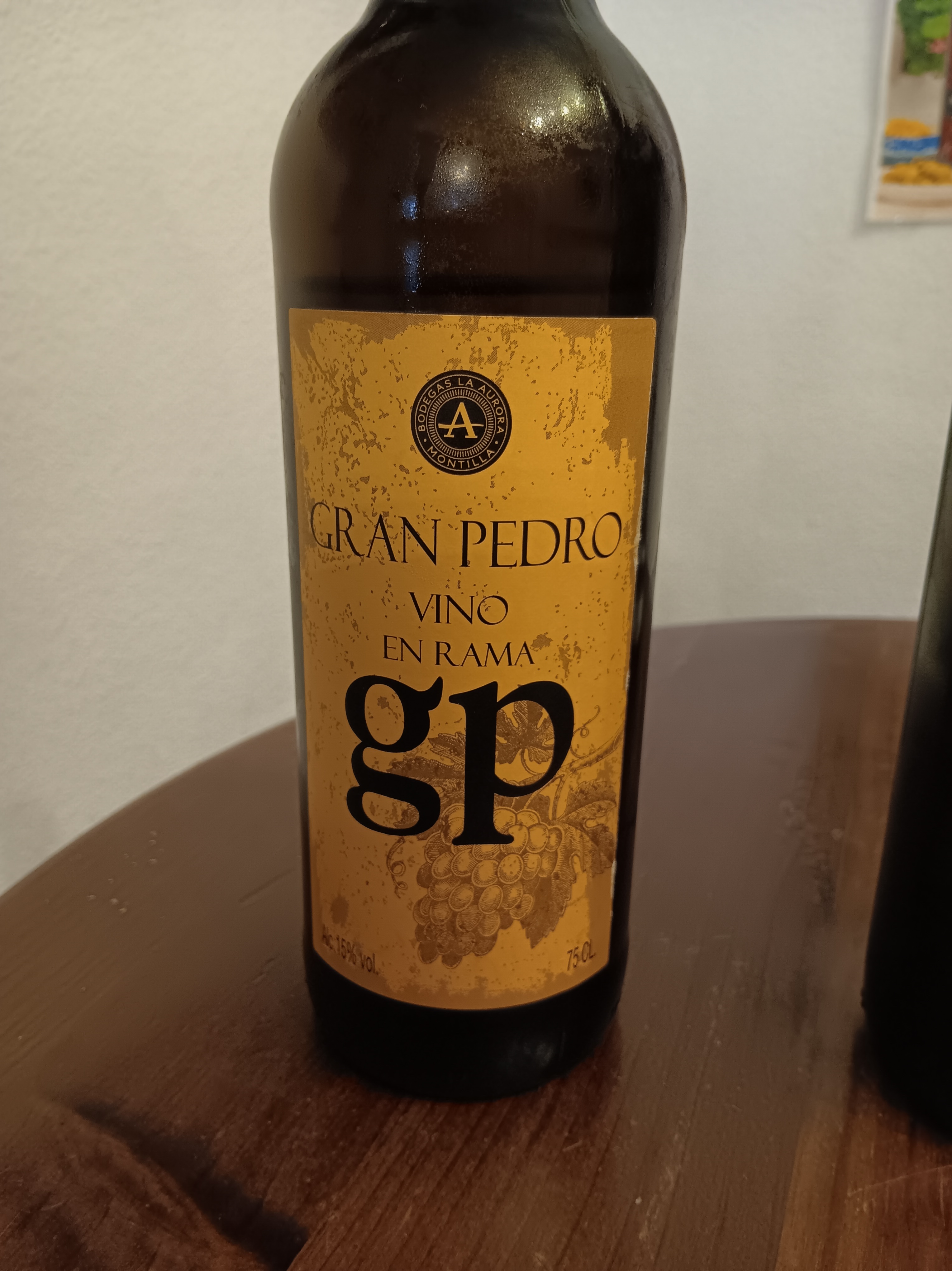
There were four wines all typical of Cordoba and all from the pedro ximenez grape. Ah you say isn’t that what you make sherry with. Apparently, sherry, named after the Jerez wine region, is mostly made from the palomino grape and the pedro ximenez they use in their dessert wine is brought in from Cordoba! The pedro ximenez grapes are higher in sugar for the dessert wine.
The winemaking style is similar to sherry from Jerez. Here it is simply referred to as Cordoba wine although the wine region is in fact Montilla-Moriles. It is fermented in ceramic containers called tinajas with a gap in the top (see the pics) so the flor is open to the air. It is fermented using natural yeast that dies at 15% alcohol, so the wines are all 15% or higher. At such high alcohol levels, they are best with food and not in large quantities!


The four we tried are from the Montilla-Moriles region which encompasses 17 villages of Cordoba.
The first is vino de tinaja, the dry light pale white wine as shown, served chilled, was very crisp, and dry and clean and he suggested having with an aged cheese with a little balsamic vinegar. The harvest is in the first half of July for consumption in October, young and fresh.
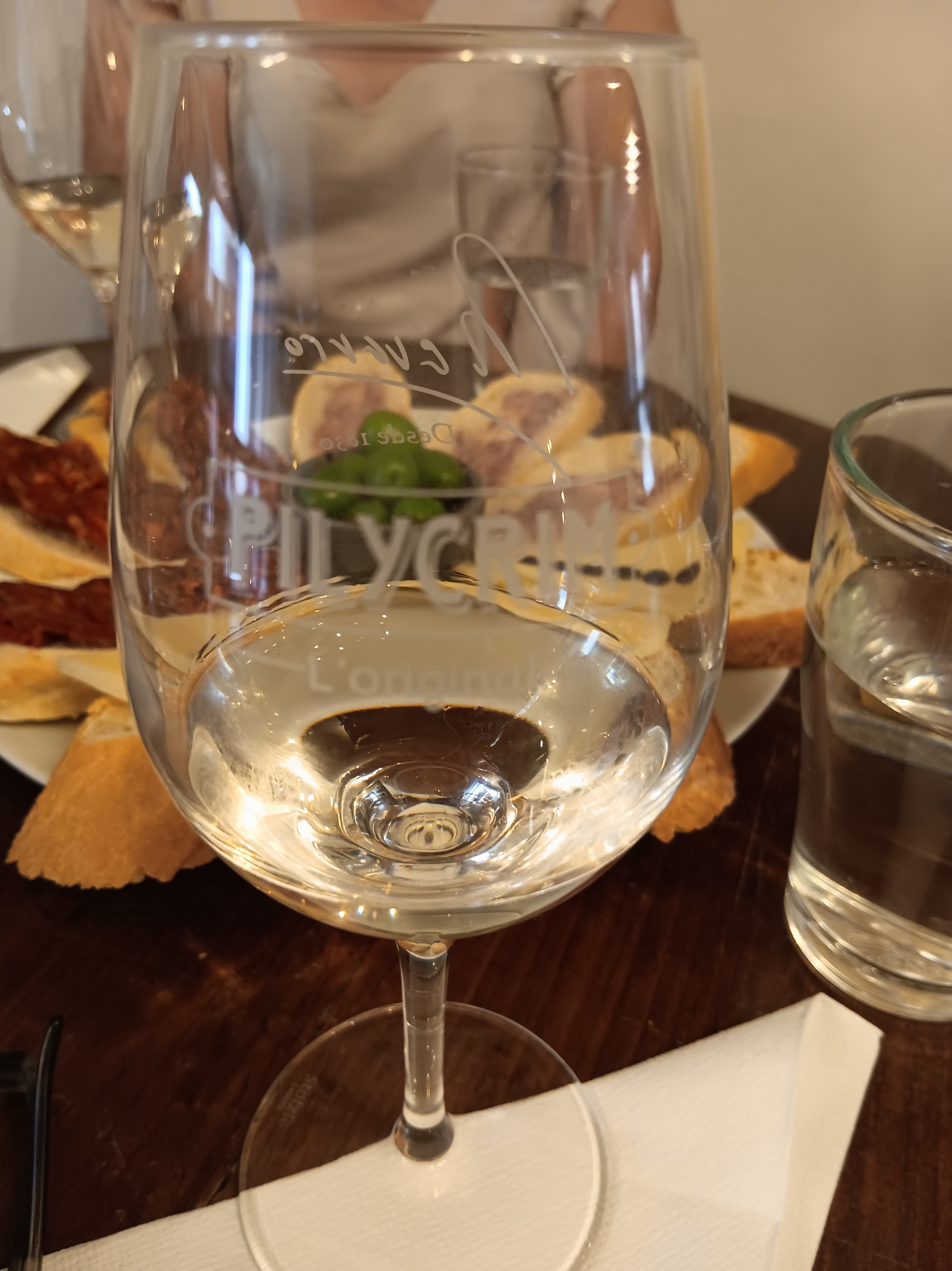
The second was the vino fino, the main wine from Cordoba. This is a little more straw coloured (see photo) and is dry and salty with yeast on the nose. It is quite vibrant and powerful. The wine is fermented in American oak barrels at 25 degrees and takes on a gentle colour and tannin. The flavour comes from the yeast and bacteria. Since the yeast dies at 15% all fino is 15%. Francisco paired this wine with a creamy sausage blend on crispy bread.
If you order a vino blanco in Cordoba it will always be a vino fino. Not a chardonnay or sauvignon blanc so now you know!
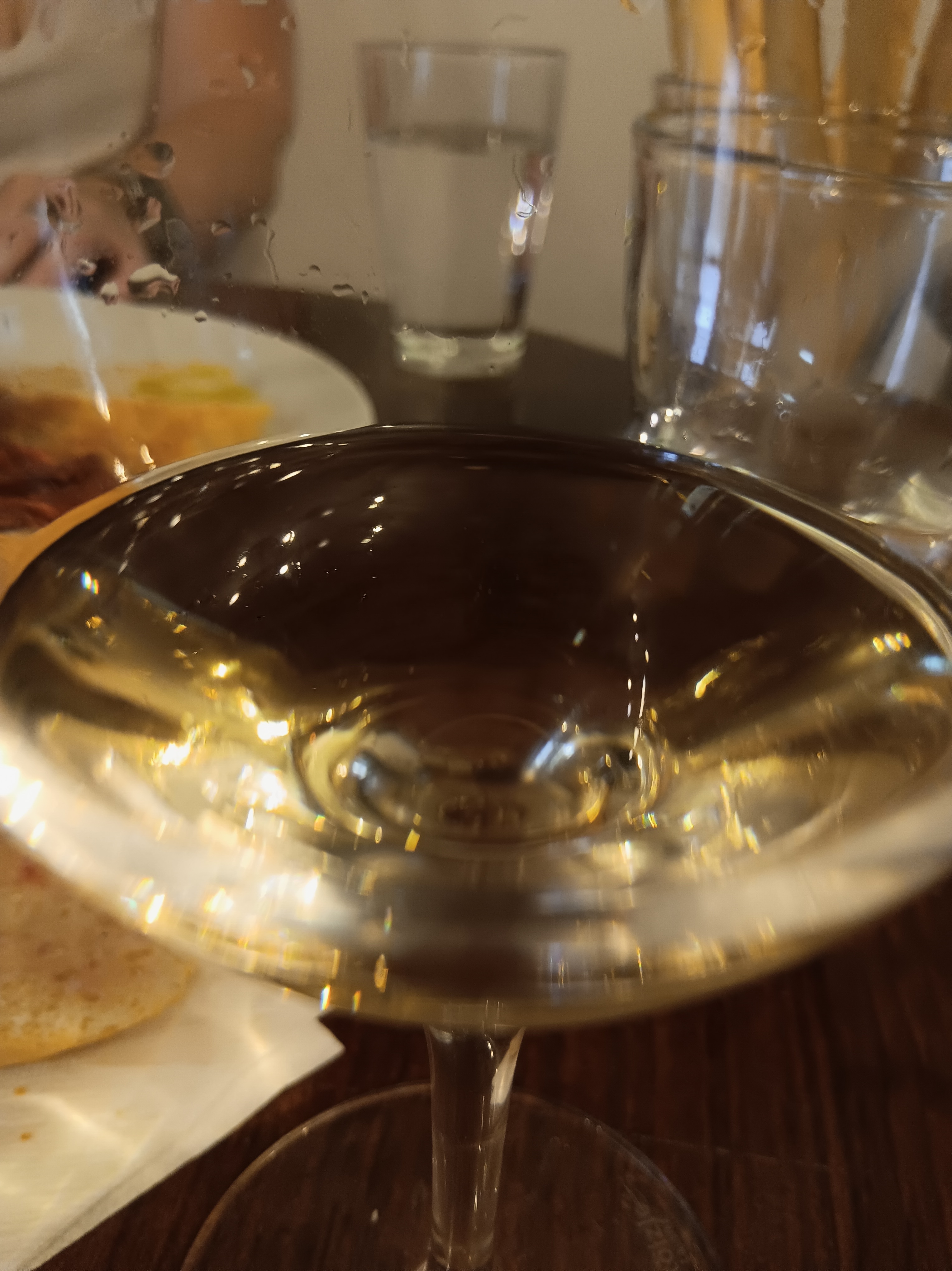
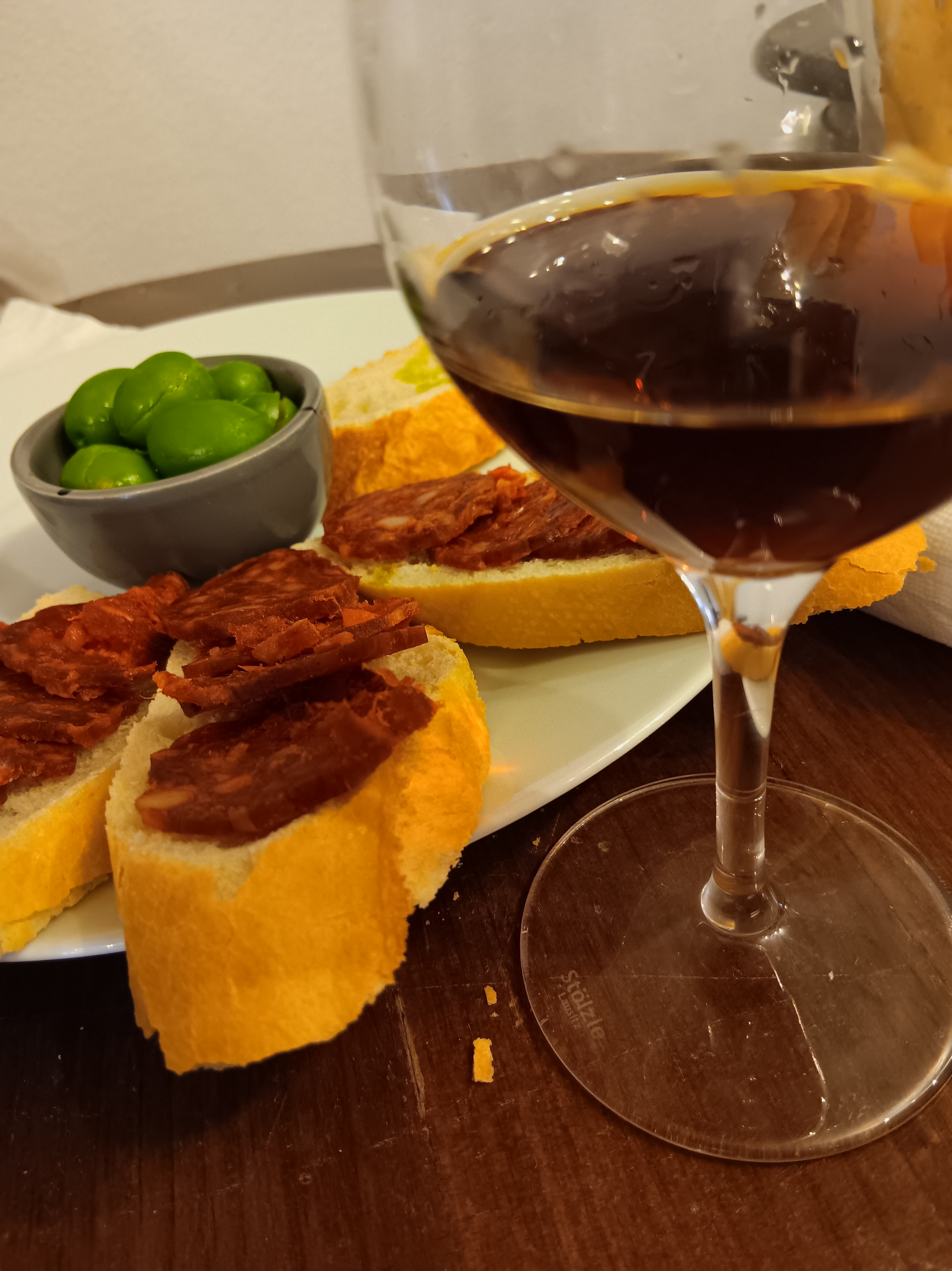
Onto the darker two. The oloroso is interesting. It means smelly! But it’s smelly in a delicious and intriguing way! In fact Francisco said it’s jokingly called mentiroso, or liar’s wine, because the smell doesn’t seem to relate to the flavour! On the nose it’s rich burnt caramel, raisins and dates, it promises delicious rich fruits and then on the palate it is surprisingly dry and nutty with acidity and tannins from the oak and not at all sweet. It is delicious and a little bit cheeky! (tell me lies tell me sweet little lies… as Fleetwood Mac would say) This was paired with chorizo, a Spanish spicy sausage.
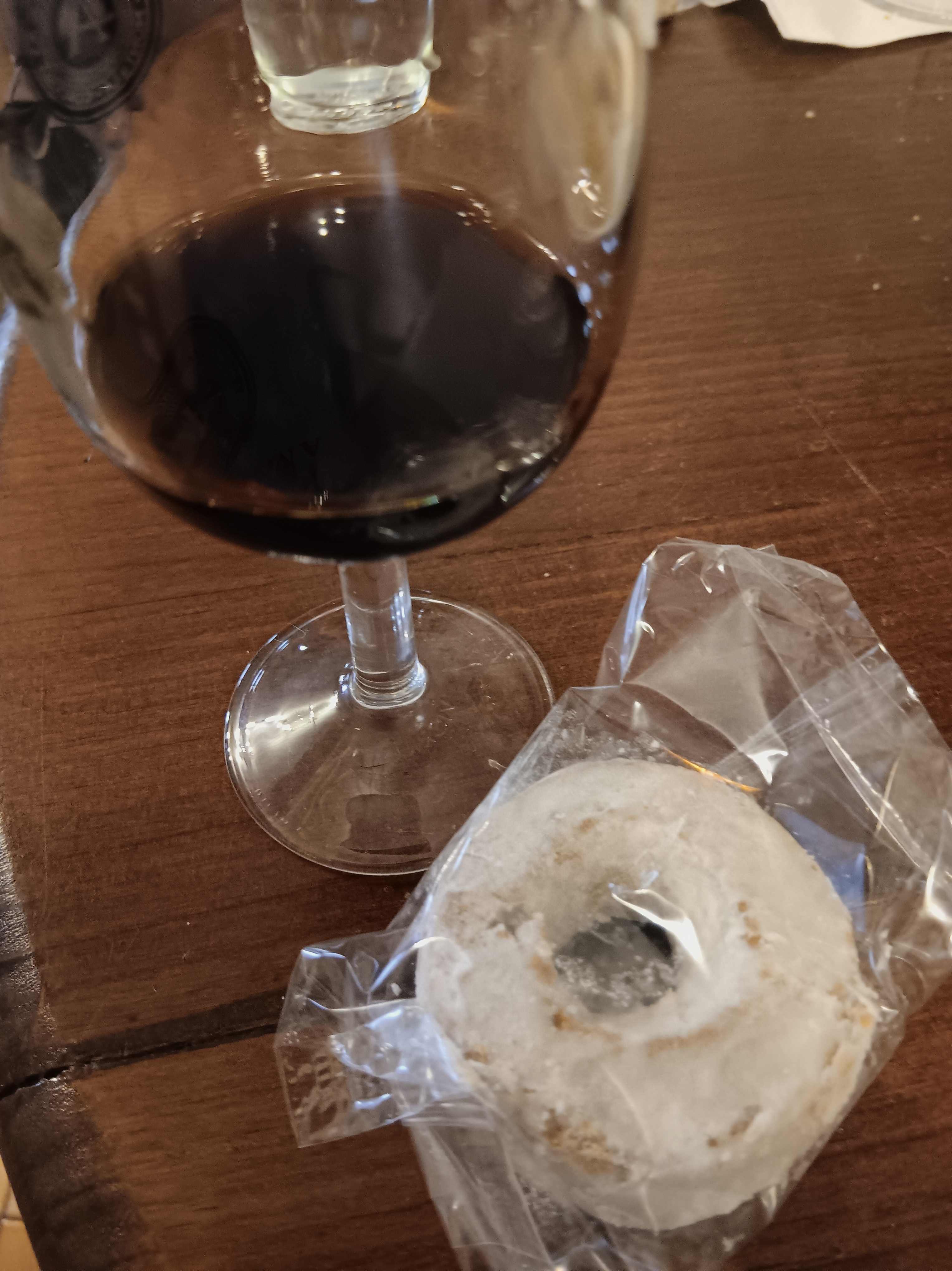
The last wine I am familiar with, as Jerez sells this wine too albeit with grapes from Cordoba! Made from pedro ximenez again, as are all four in this tasting, it is syrupy and dark with a beautifully luxurious nose of raisins and figs. Although it is very sweet at 272g sugar per litre of wine, the balance is so perfect that it is not at all cloying, but long and full with a lingering clean even creamy finish.
This wine is made differently to the others. Like Amarone in Italy, the grapes are picked later in the season (mid August as opposed to early July) so that they are sweeter, and then left out to dry in the sun, to become more like raisins so the flavour is intensified. The grapes are then fermented to just 9% to keep the sweetness and wine is added to fortify to 15%. The wine is then aged in barrels for 5 years or more.
This exquisite wine is great with blue cheese and also with desserts, just like a good Aussie tawny port. It is thicker and darker than the oloroso and he paired it with a sweet biscuit.
Interestingly, the Harvey’s Bristol Cream that Brits will be familiar with is a blend of the oloroso and the pedro ximinez. Similarly, amontillado is a blend of fino and oloroso.
So I learned a lot about sherry although it isn’t sherry it’s wine from the Montilla-Moriles region in Cordoba!
Bye from Tigs xxx

 Wine news from Tigchandler